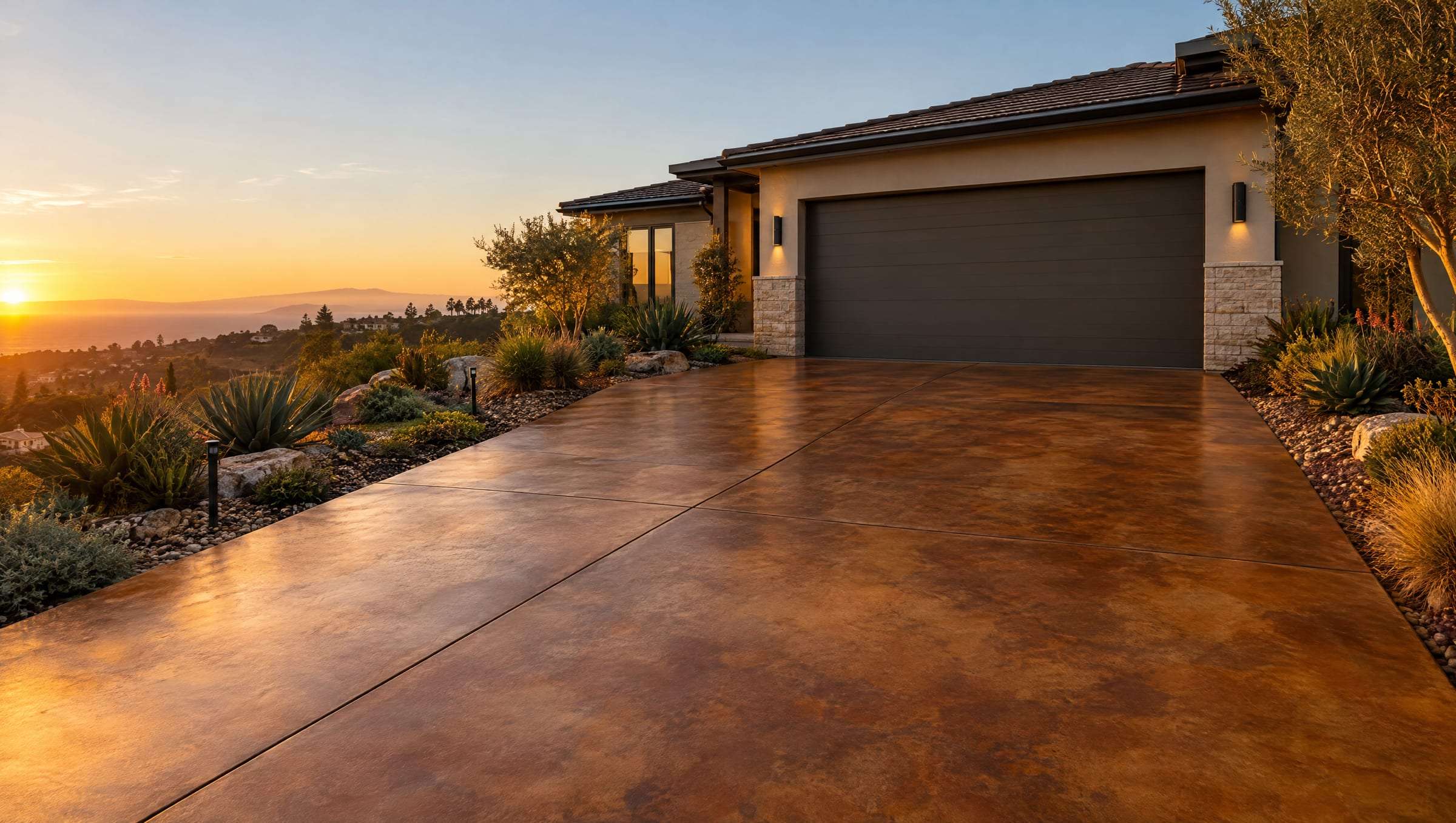
Concrete Driveway Staining in San Diego
We clean, stain, and seal sound concrete driveways so they get rich, lasting color that soaks into the slab instead of sitting on top of it like paint.
- Free on-site estimateMoisture test included
- Penetrating stainColor in the concrete
- UV-stable sealerBuilt for coastal sun
- All of San DiegoService area
About driveway staining
Concrete driveway staining in San Diego gives a plain gray or faded driveway new color without covering up the concrete. Stain soaks into the top of the slab and colors it from within, so the texture, the control joints, and the character of the concrete stay. A UV-stable sealer goes on last to protect the color and make the surface easier to clean.
There are two main kinds of stain. Reactive stains, often called acid stains, react with the lime in the concrete and leave mottled, variegated earth tones that look like natural stone. Water-based stains soak in and leave a more even, predictable color in a wider range, including grays and modern neutrals. We help you pick the one that suits the house and the slab.
Stain is translucent, so it shows what is already there. It will not hide cracks, patches, heavy oil spots, or a surface that is flaking apart. If the slab is too damaged for stain to look good, we say so and point you to concrete resurfacing, which puts a new surface on top before any color goes on.
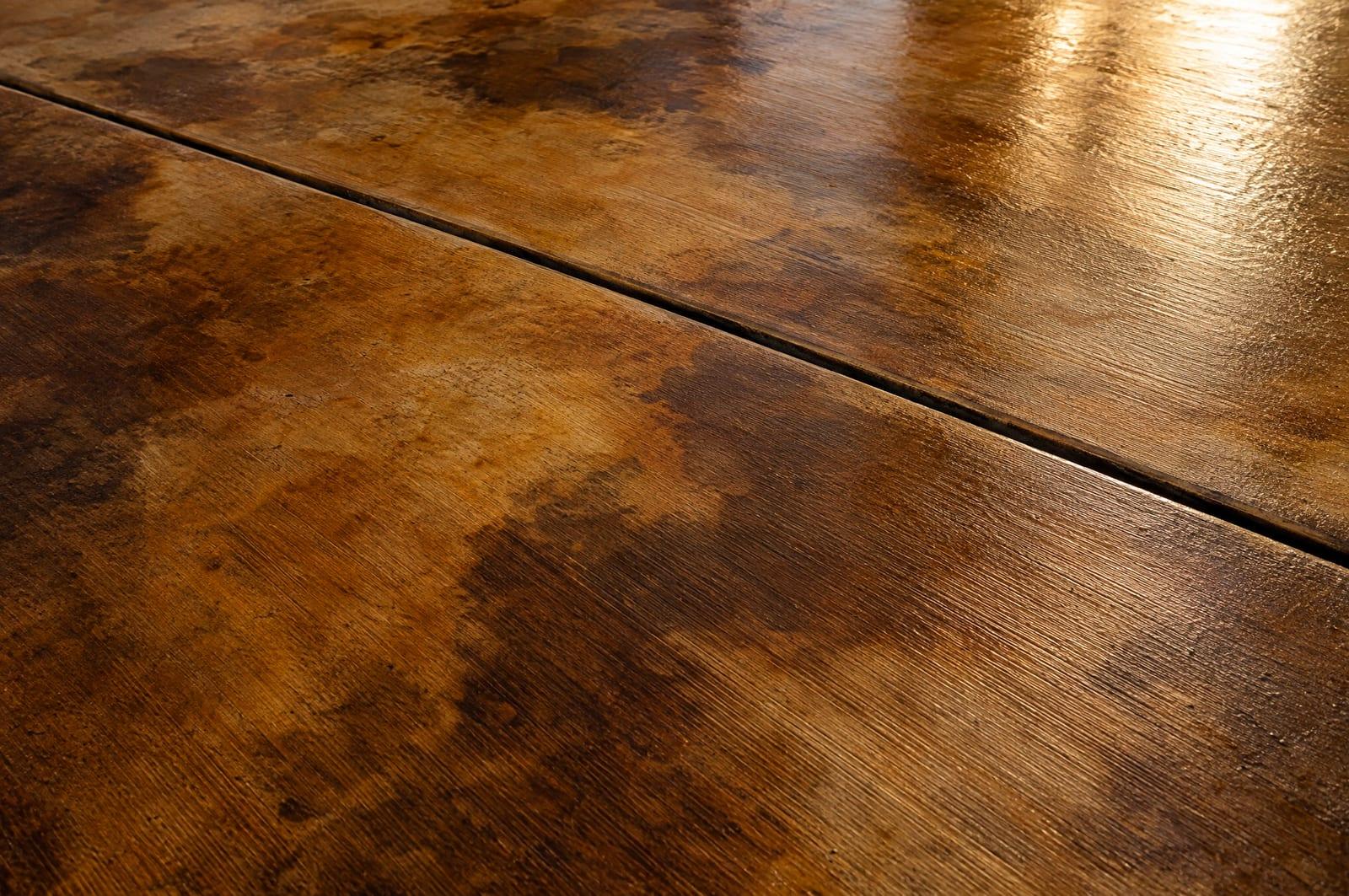
Acid stain vs. water-based stain
Pick a stain type, a color, and a sealer finish to see how each one changes a plain driveway. Turn on the oil spot to see why prep matters.
Driveway stain preview
Why homeowners and businesses choose it
Color that is part of the concrete
Stain does not form a thick film the way paint does, so there is no layer to peel or flake off. The color lives in the top of the slab, and the sealer on top is what takes the wear. When the sealer gets dull, a clean and reseal brings the color back without starting over.
Acid stain or water-based stain
Acid stains give the classic marbled look in tans, browns, and soft blue-greens, and no two slabs come out the same. Water-based stains give more control: even color, more shades, and grays that suit modern homes. Both get a sealer, and both look richer with a wet-look finish than a natural one.
Driveway refinishing without tear-out
If the slab is sound, staining is one of the least disruptive ways to refinish a driveway. There is no demolition and no new layer to build up, so curbs, garage thresholds, and landscaping stay as they are. Most driveways are cleaned, stained, and sealed in a few days, plus cure time before cars.
Driveway sealing that protects the color
The sealer slows oil and tire stains, keeps water and salts out of the surface, and shields the color from San Diego sun. We use exterior-rated, UV-stable sealers and add a fine grit where grip matters, because a glossy sealer can get slick when wet.
What goes into the system
| Spec | Typical |
|---|---|
| Stain types | Reactive (acid) stains that react with the lime in concrete; water-based penetrating stains for even color and a wider range of shades |
| Surface prep | Pressure wash and degrease; strip old sealer, paint, or curing compound; light mechanical profiling where the surface is too dense or too smooth to take stain |
| Look | Acid stain: mottled, variegated earth tones. Water-based stain: more even color, including grays, charcoals, and neutrals |
| Sealer | Exterior, UV-stable sealer: a penetrating sealer for a natural look, or a film-forming sealer for a richer wet look, with grit added where grip matters |
| Return to service | Foot traffic typically within about a day; vehicles typically after one to three days, depending on the sealer and the weather |
| Upkeep | Film-forming sealers on a sunny driveway are typically renewed every two to three years; penetrating sealers often last longer but give a flatter look |
| Suited to | Structurally sound driveways, walkways, patios, and entries with little cracking and no flaking surface |
Cure times and reseal intervals vary by product, sun exposure, and traffic. We confirm both against the manufacturer's data for the stain and sealer we specify after seeing your driveway.
Stain vs. overlay vs. coating, in cross-section
All three can change how concrete looks, but they work in different ways. Stain colors the top of the slab, an overlay adds a new cement surface, and a coating builds a film on top.
Three ways to change the look of concrete
Stain and seal
- Keeps concrete textureYes
- Hides stains and patchesNo
- Covers cracksNo
- UpkeepReseal
Resurfacing overlay
- Keeps concrete textureNew texture
- Hides stains and patchesYes
- Covers cracksStable ones
- UpkeepReseal
Garage floor coating
- Keeps concrete textureNo
- Hides stains and patchesYes
- Covers cracksRepaired first
- Best placeGarages
What to expect
- 01
Site visit and test spot
We look at the whole driveway: cracks, patches, oil spots, drainage, and any old sealer or paint. A few drops of water show whether the surface soaks it up or beads it off. Where the color choice is close, we stain a small test spot so you see it on your own concrete.
- 02
Deep cleaning and prep
The slab is pressure washed and degreased. Old sealer, paint, and curing compounds are stripped or ground off, because stain cannot soak through them. Dense or smooth areas get a light mechanical profile so the stain can get into the surface.
- 03
Repairs and masking
Cracks are cleaned and filled where it helps, and you agree up front that filled cracks and patches take stain differently and usually still show. Garage doors, walls, landscaping, and the street edge are masked off and protected.
- 04
Stain, then neutralize or rinse
The stain goes on in coats until the color is right. Acid stain is left to react, then the residue is neutralized and cleaned off. Water-based stain dries without a reaction step. Rinse water is collected rather than sent into the storm drain.
- 05
Seal, cure, and return to use
Once the slab is dry, a UV-stable exterior sealer goes on, with grit added where you want more grip. Foot traffic typically returns within about a day, and cars typically wait one to three days, longer in cool or damp weather.
- Stain is translucent, so the result depends on the concrete under it. Two slabs poured at different times, or a patch next to original concrete, can take the same stain differently. The test spot is how we set expectations before the full driveway.
- New concrete needs time to cure before it can be stained. Most stain makers call for about a month after the pour, so a brand-new driveway is usually stained later rather than right away.
Built for coastal sun, salt air, and moisture
Strong sun and the sealer
San Diego's UV is strong all year, and the sealer takes most of it. Stain color itself holds up well, but a sealer that is not UV-stable can yellow, chalk, or turn dull, and that is what makes a stained driveway look faded. We use exterior, UV-stable sealers and plan on a clean and reseal every few years on driveways in full sun.
Salt air and efflorescence near the coast
In coastal neighborhoods, salt air and damp marine-layer mornings can bring efflorescence, a white crust of salts, to the surface of concrete. It blocks stain and clouds a sealer, so it is cleaned off before we stain, and we pick a breathable sealer that lets moisture escape instead of trapping it.
Rain, runoff, and storm drains
Stain and sealer need a dry slab and a dry forecast, so work in the rainy months is planned around storms. San Diego's stormwater rules also keep wash water and stain residue out of gutters and storm drains, so we neutralize acid stain residue and collect rinse water on site.
Keeping a stained driveway looking new
Stained concrete is low upkeep, but the sealer needs some care. These are typical intervals for a sunny San Diego driveway; heavy traffic and full sun shorten them.
Typical care for a stained, sealed driveway
Every few weeks
- Sweep or blow off grit and leaves
- Rinse with a hose; skip the pressure washer on high
Right away
- Blot oil and fluid drips
- Clean them with a mild, pH-neutral cleaner
Once a year
- Look for dull, worn, or white areas in the sealer
- Check where tires turn and where sprinklers hit
Every two to three years
- Deep clean, then reseal with a UV-stable sealer
- Sooner on full-sun or heavy-traffic areas
Driveway staining vs. resurfacing
| Staining | Resurfacing overlay | |
|---|---|---|
| Suited to | Sound driveways that are faded, plain, or lightly stained | Driveways with spalling, pitting, scaling, or many patches |
| What changes | Color soaks into the existing surface | A new thin cement layer covers the old surface |
| Hides old stains and patches | No; stain is translucent and shows them | Yes; the overlay covers them |
| Texture | Keeps the existing broom finish | New texture: smooth, broom, or knockdown |
| Typical timeline | A few days, plus cure before cars | Usually a few days, plus a longer cure before cars |
| Cost | Generally lower, since no new layer is built | Generally higher, for overlay material and labor |
Is your driveway a good fit for stain?
Answer five quick questions about your concrete. The result is the same reasoning we use at a site visit, and it tells you when resurfacing or a coating is the better choice.
Stain, resurface, or coat?
01What is the surface like?
02How cracked is it?
03Has it been sealed, painted, or coated?
04Any oil or rust stains?
05What matters most to you?
Answer all 5 to see what usually fits. Nothing is sent anywhere until you ask for an estimate.
What driveway staining costs in San Diego
Staining cost depends on the size of the driveway, how much cleaning, stripping, and degreasing it needs, acid or water-based stain, the number of colors, and the sealer. It generally costs less than resurfacing because no new layer is built. Our cost guide explains how San Diego concrete pricing works, and we quote staining after seeing the driveway.
Driveway Staining questions
It depends on the look you want. Acid stain gives a mottled, natural-stone look in earth tones, and every slab comes out a little different. Water-based stain gives more even, predictable color and more shades, including grays and charcoals. Both last when the driveway is prepped well and sealed with a UV-stable sealer. We often stain a test spot so you can see each one on your own concrete.
No. Stain is translucent, so it colors what is there instead of covering it. Oil is degreased before staining, but deep oil can keep the stain from soaking in and show as a darker spot. Cracks stay visible, and filled cracks and patches take stain differently. If you want those hidden, concrete resurfacing covers the old surface with a new one first.
Yes, once the old sealer or paint is removed. Stain cannot soak through a sealer, so it has to be stripped or ground off first, and paint has to come off completely. A simple water drop test shows whether a sealer is still there: if the water beads up, the surface is sealed. That extra prep is part of the estimate.
The stain itself is long lasting, because it is part of the concrete. The sealer is the part that wears. On a sunny San Diego driveway, a film-forming sealer is typically renewed every two to three years, and penetrating sealers often last longer. Resealing on time keeps the color rich and protects it from oil and tires.
Foot traffic is typically fine within about a day after the sealer goes on. Cars typically wait one to three days, depending on the sealer, the temperature, and humidity. Cool, damp marine-layer weather slows the cure. We give you the timeline for your sealer in the written estimate.
A glossy, wet-look sealer can be slick when wet, especially on a slope. We add a fine grit to the sealer where grip matters, or use a lower-sheen sealer that keeps more of the concrete's natural texture. Broom-finish driveways keep much of their grip after staining because the stain does not fill the texture.
Compare other floor systems
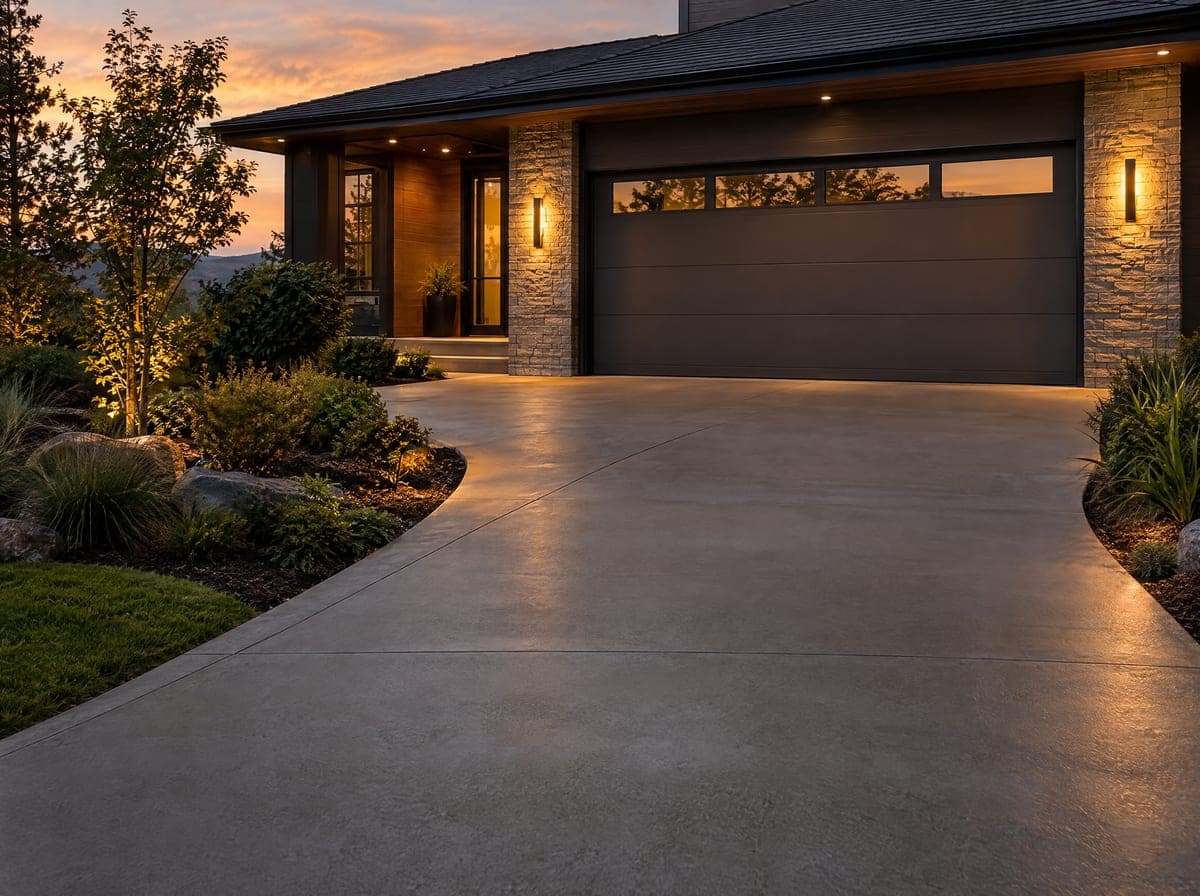
Concrete Resurfacing
Bonded cement overlays, knockdown textures, and sealers that renew sound but worn patios, driveways, walkways, and garage slabs without tear-out.
Learn more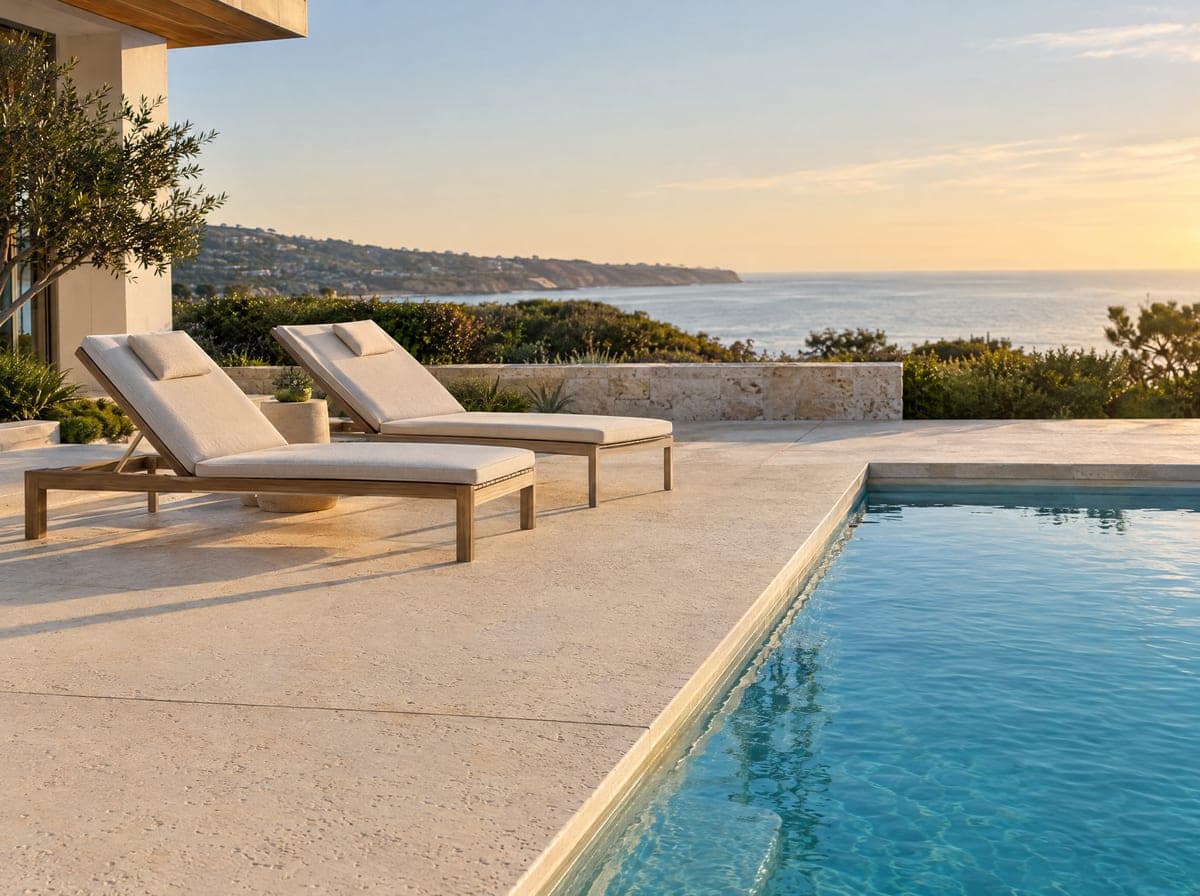
Pool Deck Resurfacing
Textured, light-toned pool deck coatings that add grip, stay more comfortable underfoot, and resist sun, salt, and pool chemicals without tearing out the slab.
Learn more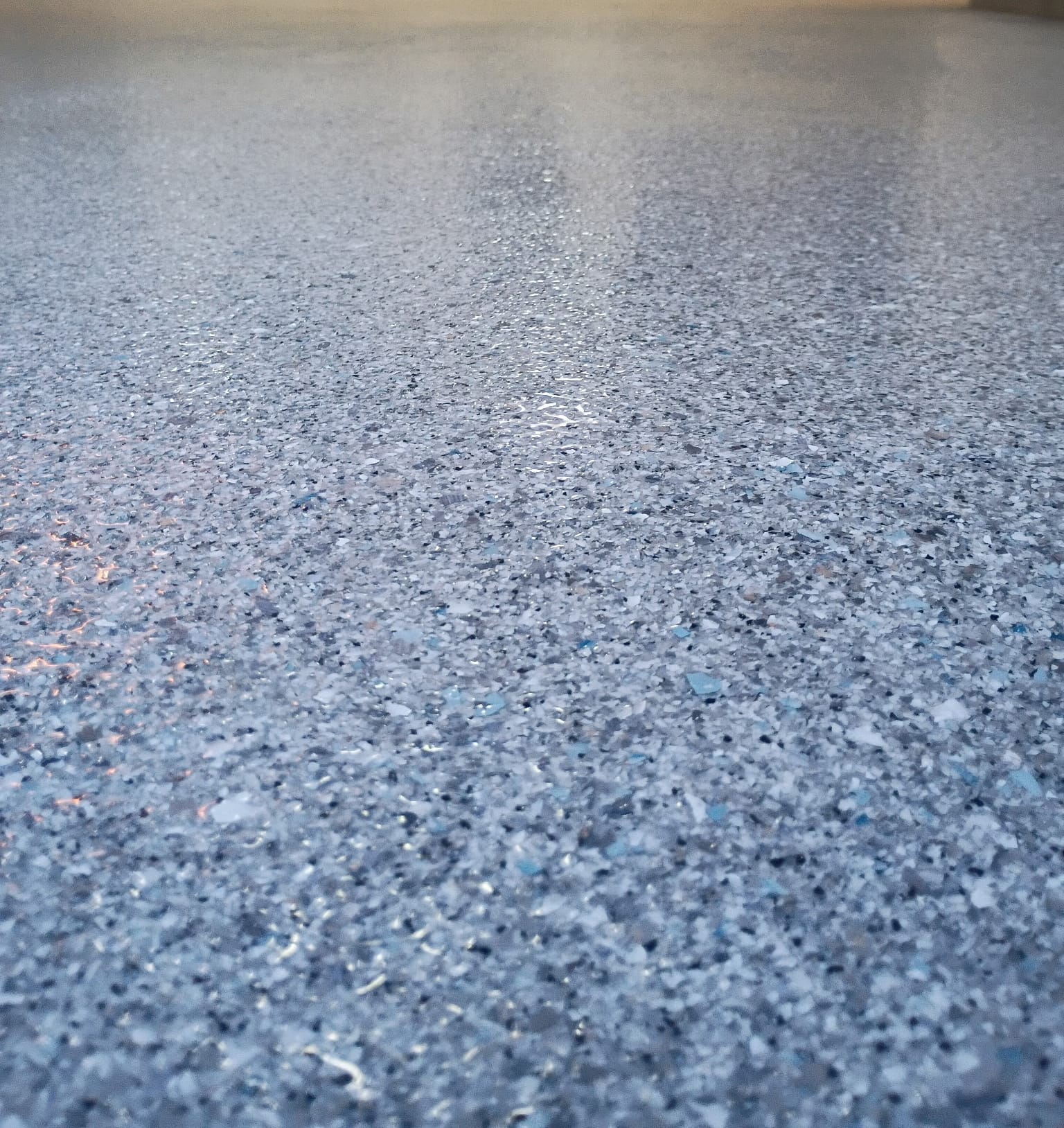
Garage Floor Epoxy
Diamond-ground, multi-layer garage floor systems with flake or metallic finishes and a UV-stable topcoat, built for coastal sun, salt air, and hot tires.
Learn moreDriveway Staining across San Diego
La Jolla
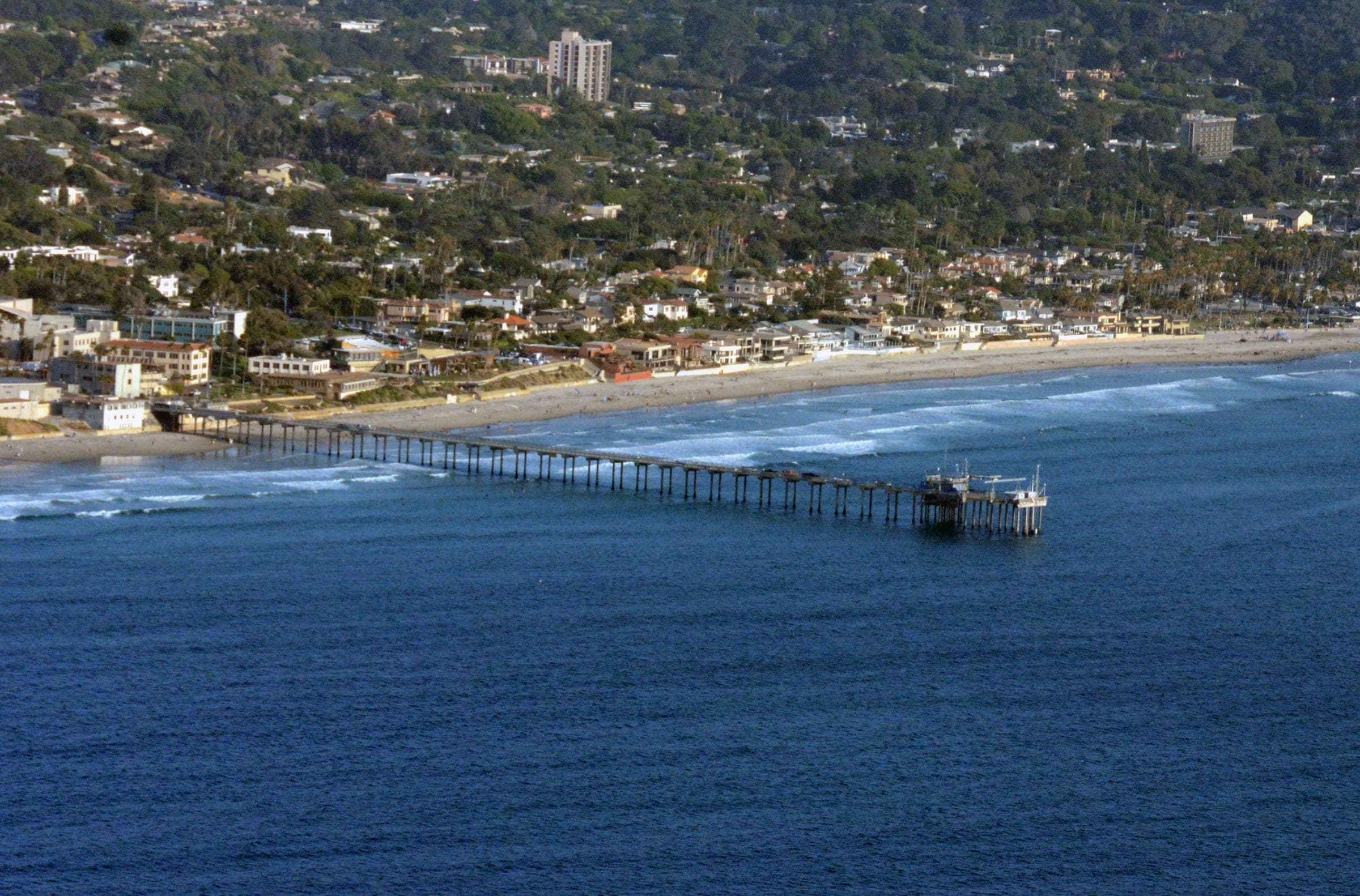
Garage floor epoxy and polyaspartic coatings for La Jolla homes, built for salt air, marine-layer mornings and strong coastal sun, from Bird Rock to La Jolla Farms.
Epoxy floors in La Jolla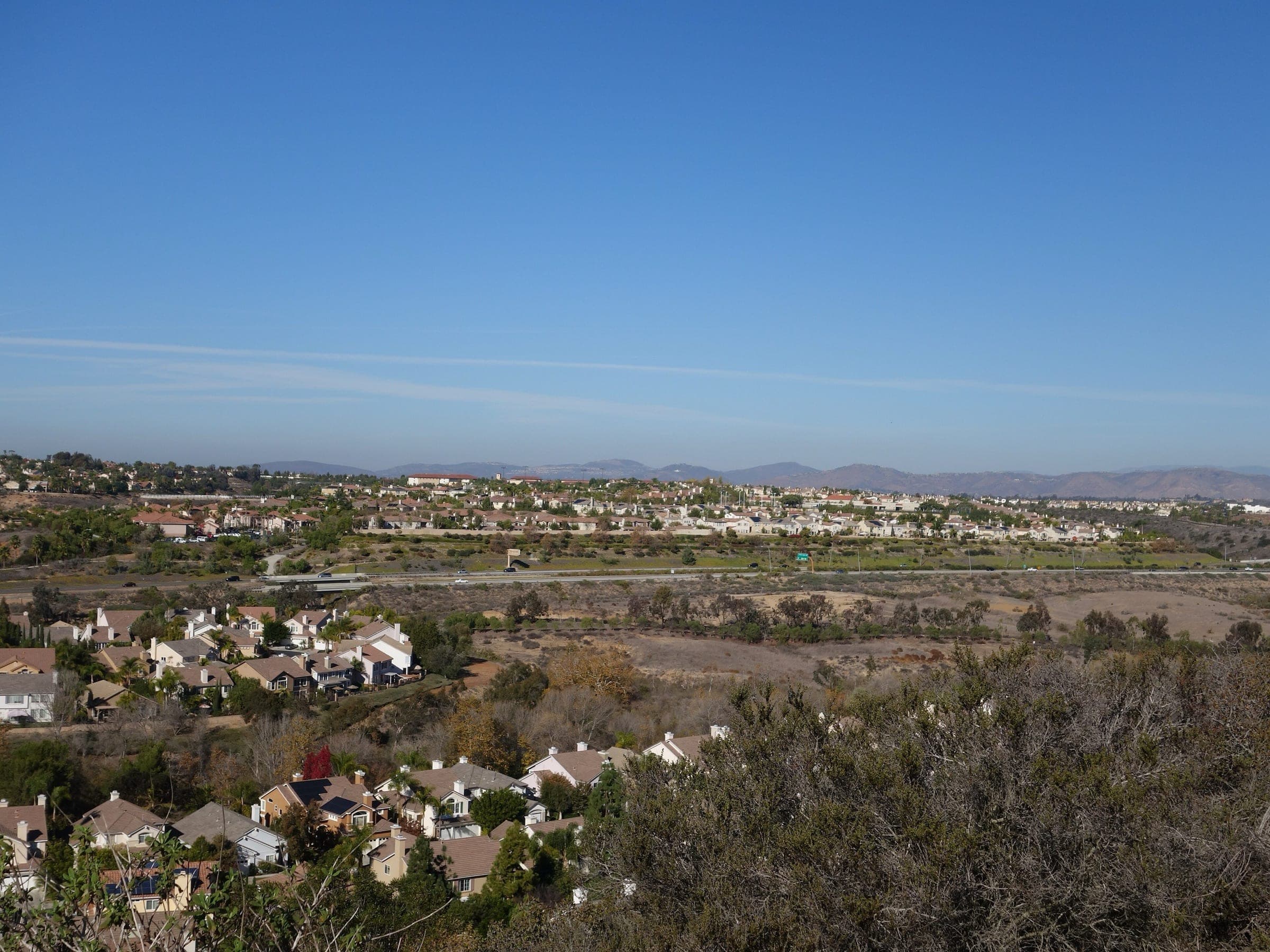
Carmel Valley
Flake and polyaspartic garage coatings for Carmel Valley, Pacific Highlands Ranch and Torrey Hills homes, with full removal of old coatings and HOA submittal support.
Epoxy floors in Carmel Valley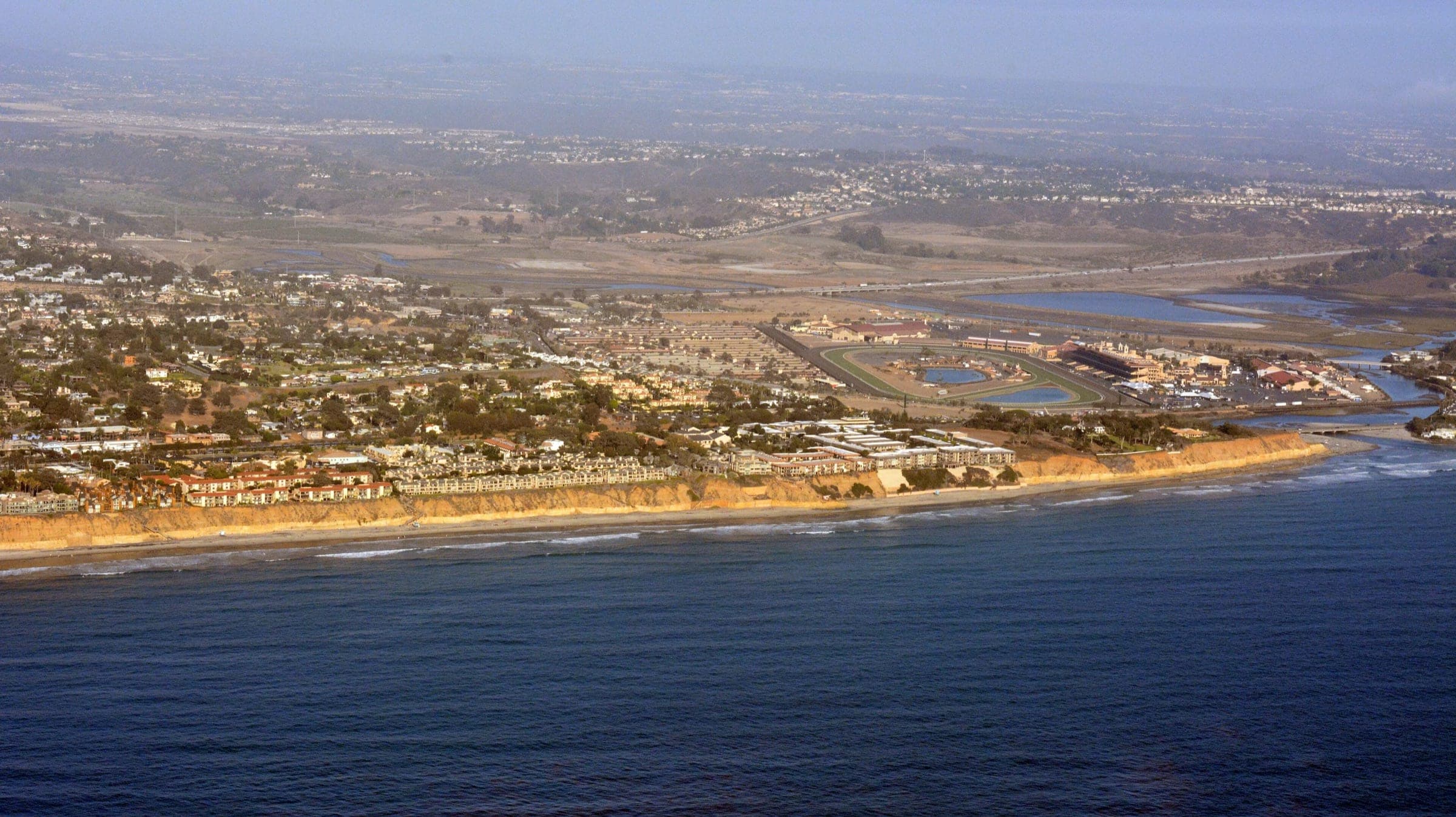
Del Mar
Garage coatings and concrete resurfacing for Del Mar and Solana Beach, with moisture testing for low-lying slabs and UV-stable topcoats for salt air.
Epoxy floors in Del Mar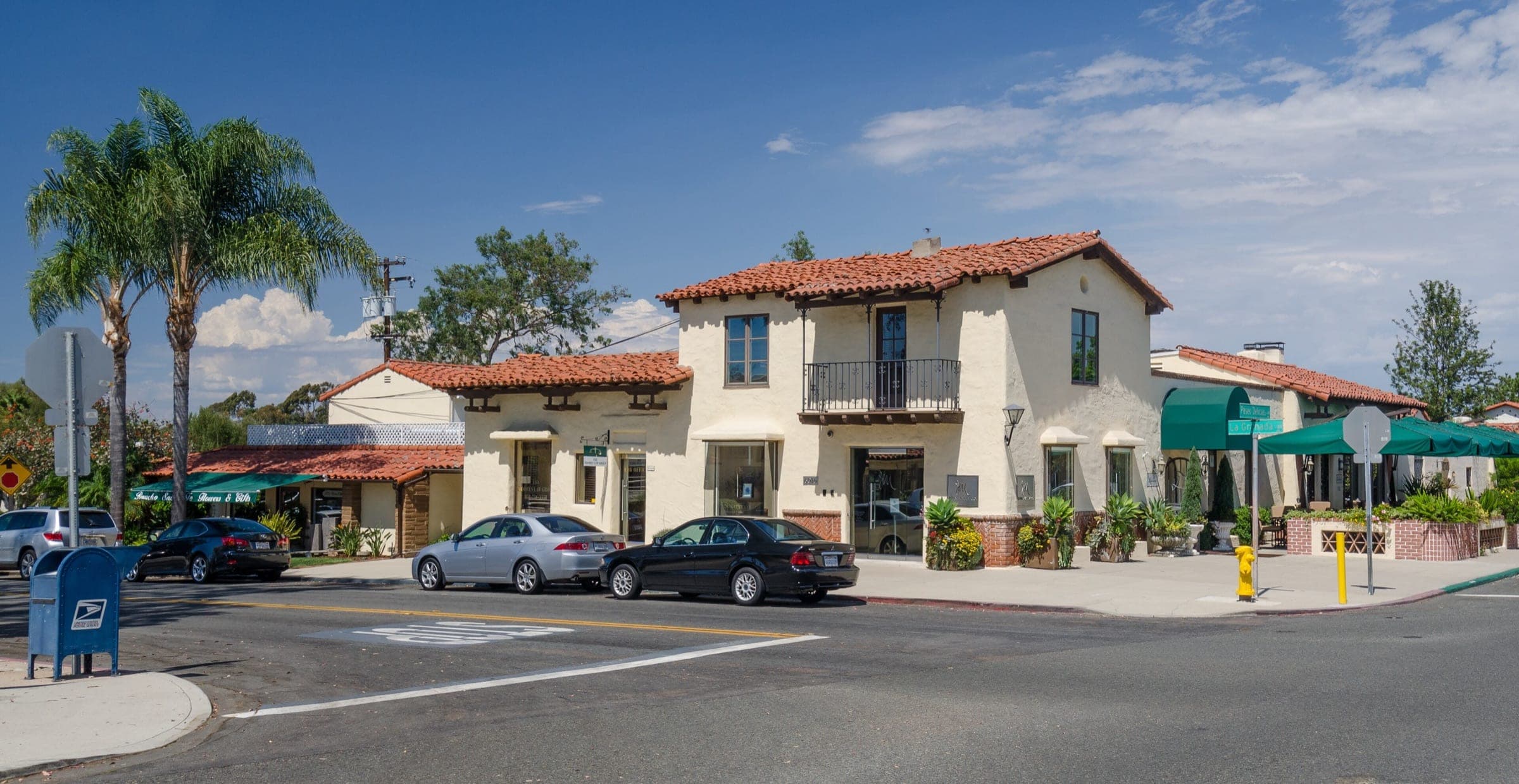
Rancho Santa Fe
Garage floor epoxy, metallic finishes and pool deck resurfacing for Rancho Santa Fe estates, with prep for inland heat and product details for Art Jury review.
Epoxy floors in Rancho Santa Fe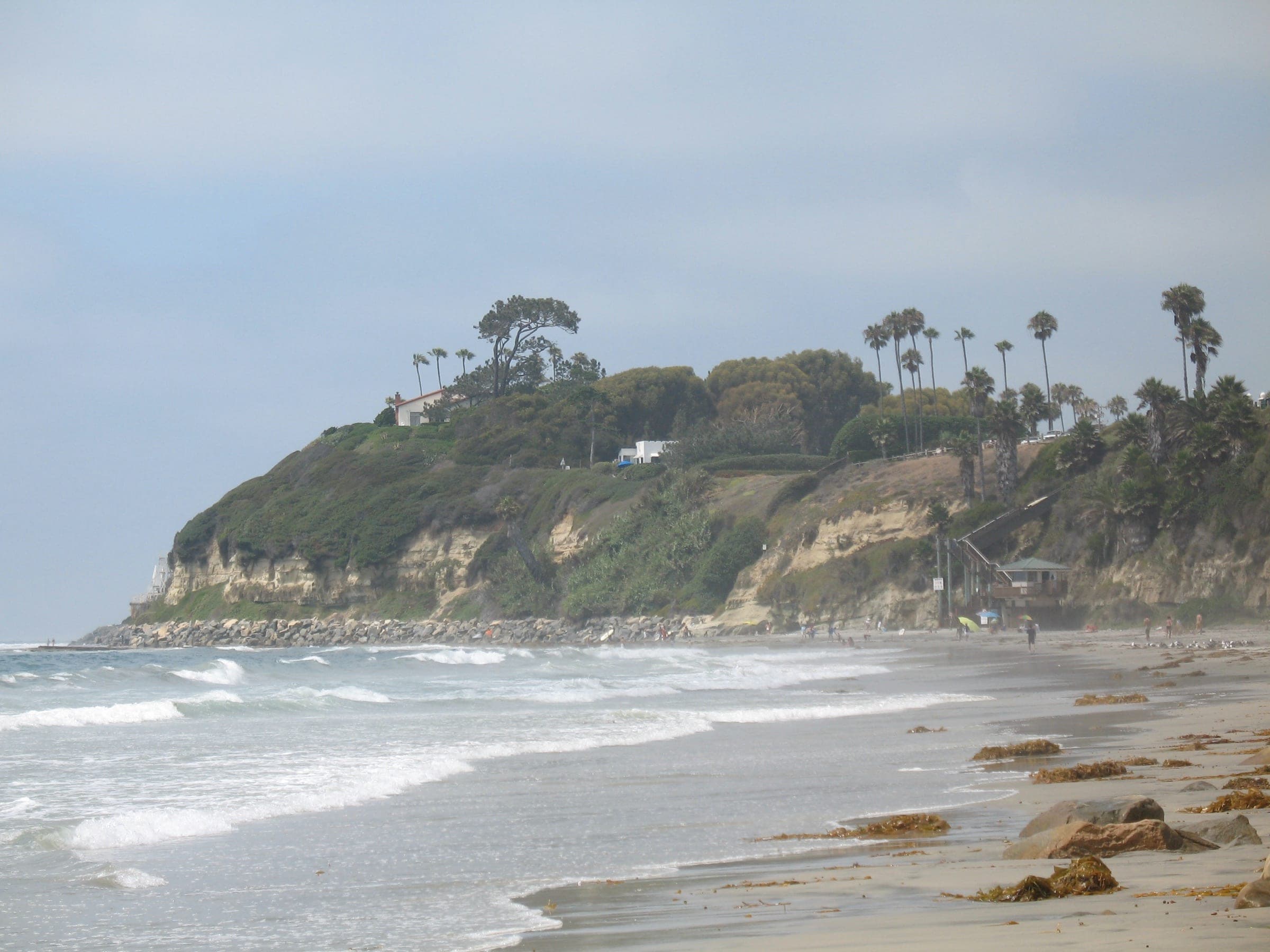
Encinitas
Encinitas garage, patio, and pool deck coatings matched to each community: salty bluff-top air in Leucadia and Cardiff, stronger sun in Olivenhain.
Epoxy floors in Encinitas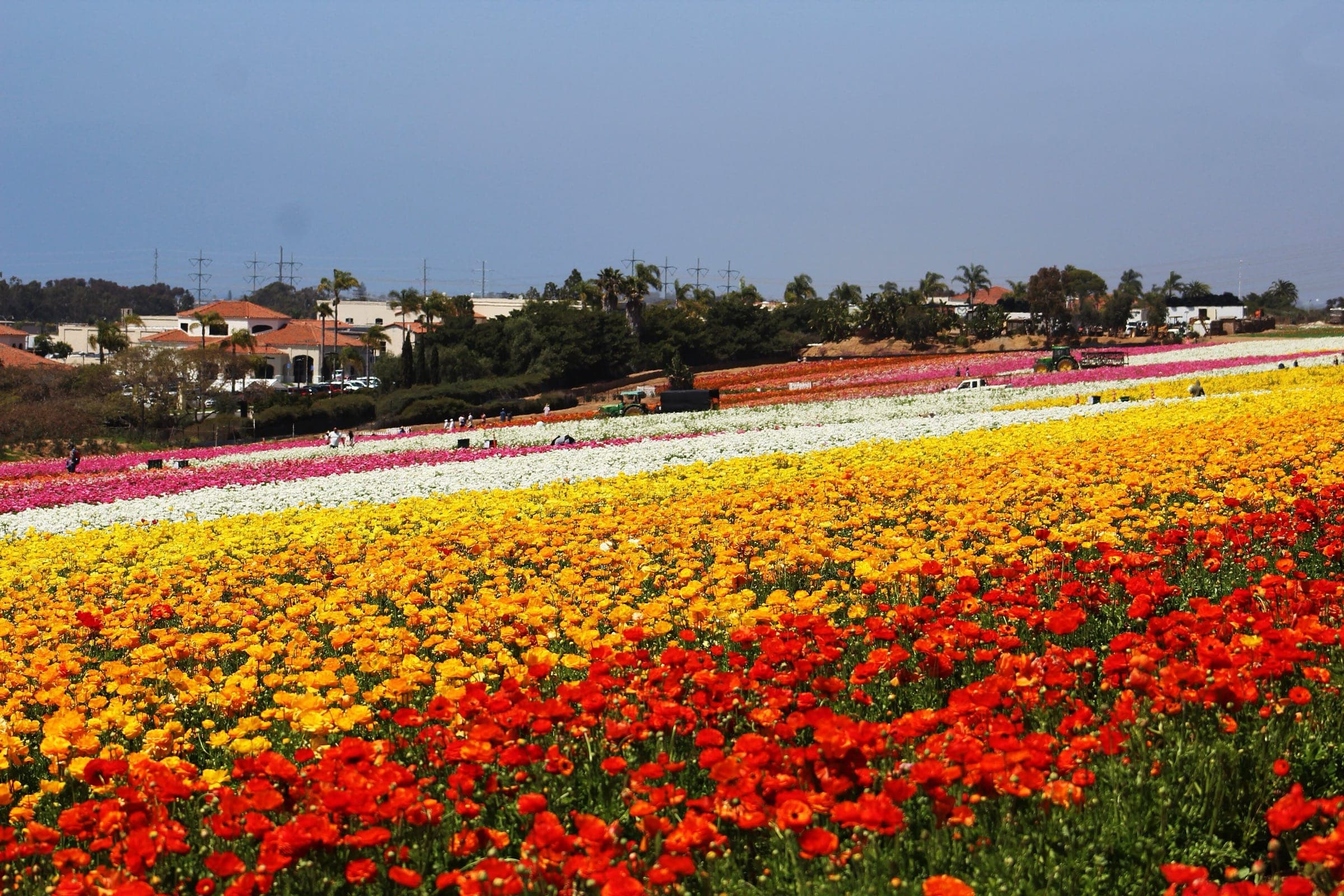
Carlsbad
Garage floor systems for La Costa, Aviara, Bressi Ranch, and the Village, plus commercial epoxy and polished concrete for Carlsbad's business parks.
Epoxy floors in Carlsbad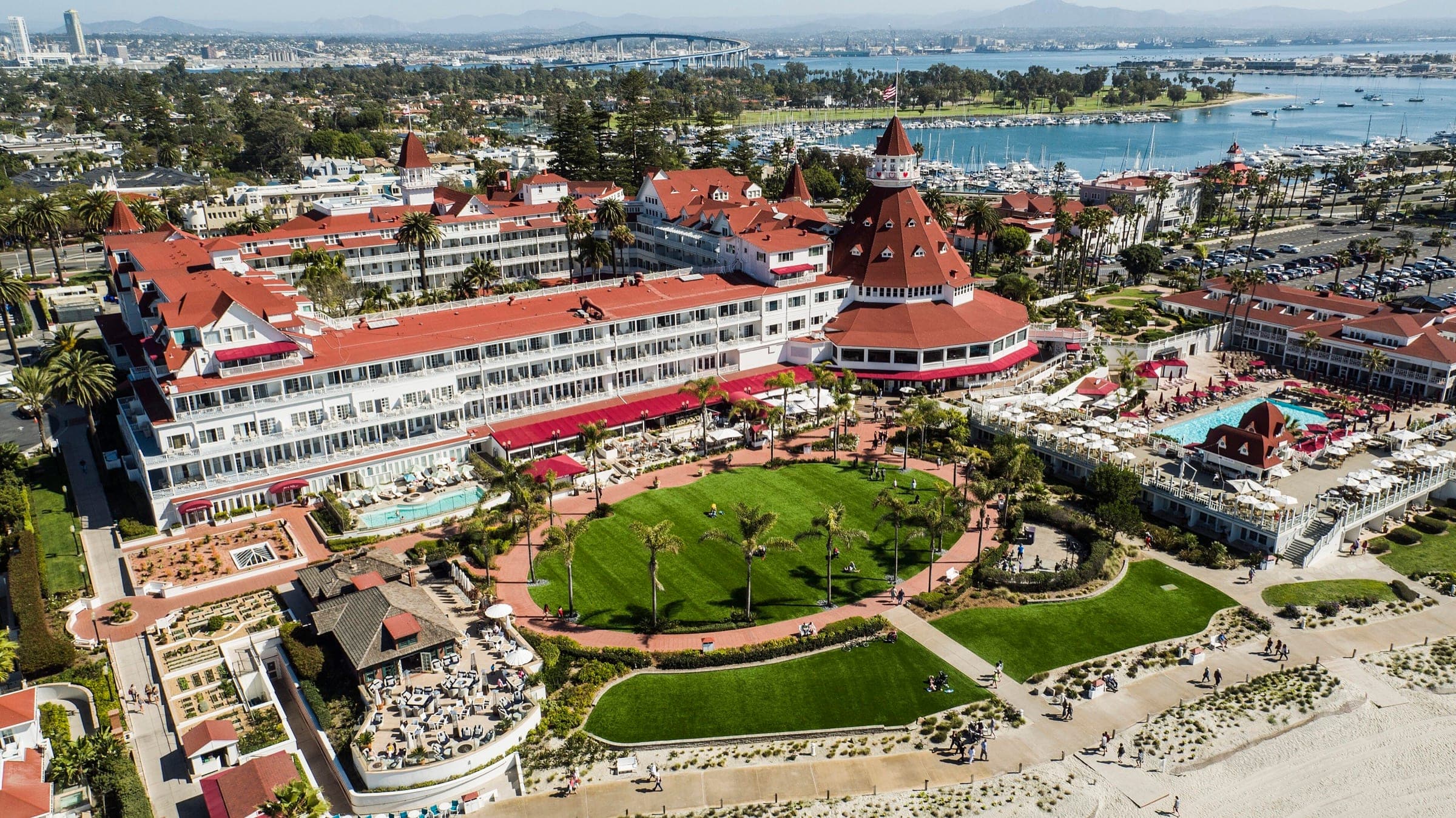
Coronado
UV-stable, moisture-tested floor systems for Coronado's alley garages, bayfront Cays homes, and salt-weathered patios and courtyards.
Epoxy floors in Coronado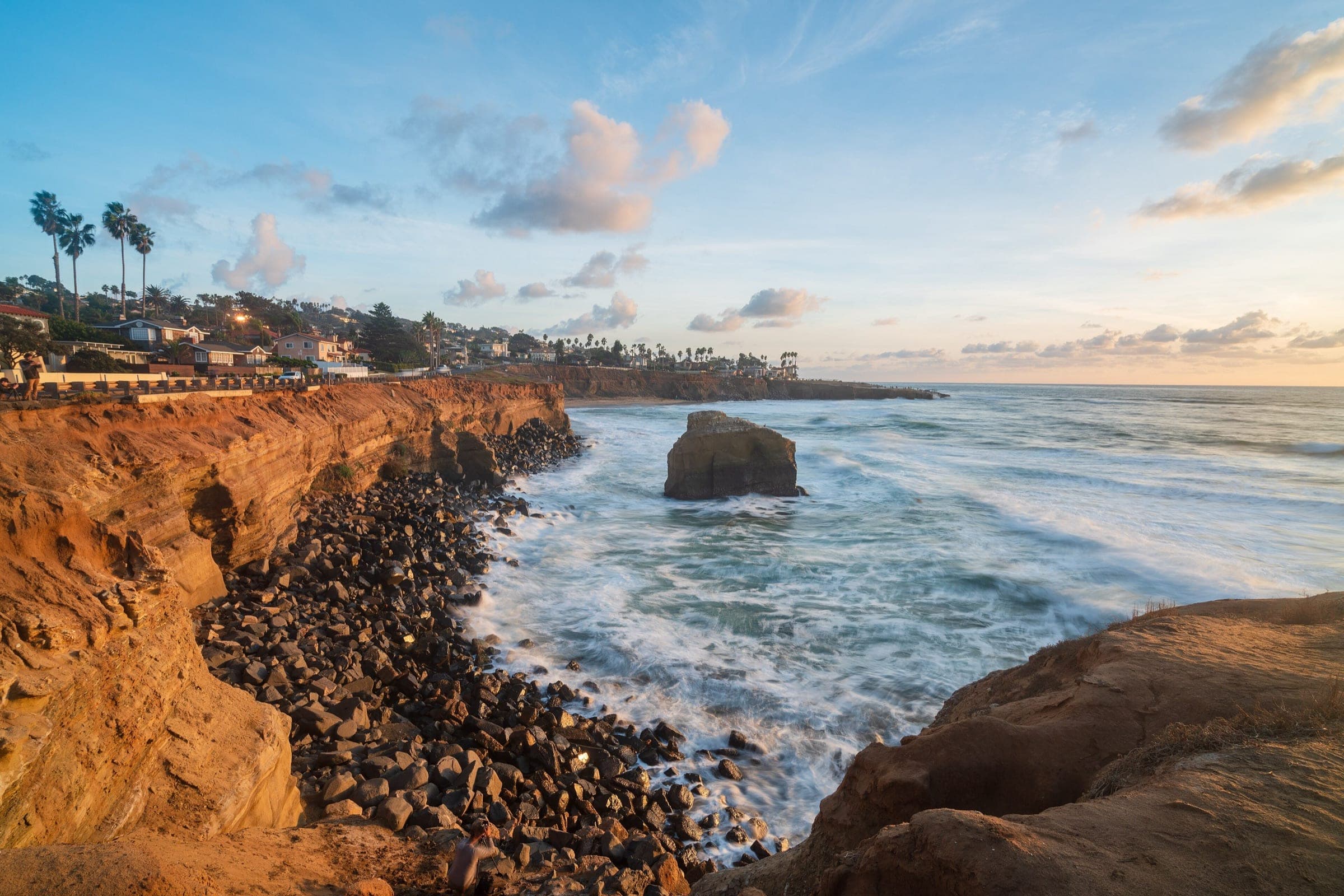
Point Loma
Coatings for Point Loma garages, driveways, and patios, from Sunset Cliffs and the Wooded Area to La Playa and Fleetridge, built for salt air and slopes.
Epoxy floors in Point Loma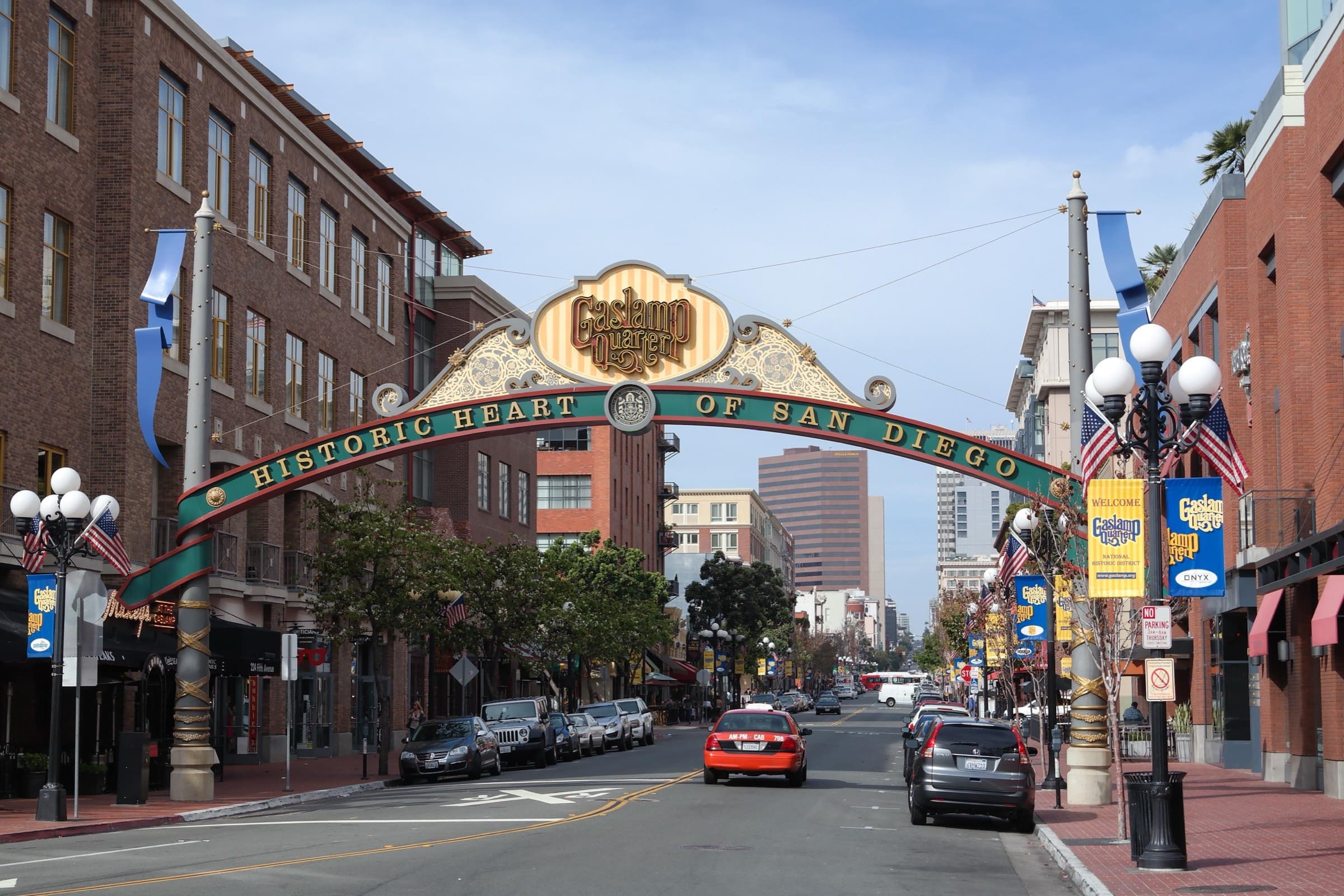
Downtown San Diego
Commercial epoxy, urethane cement and polished concrete for downtown restaurants, storefronts, offices, lofts and condo storage, from the Gaslamp Quarter to Little Italy.
Epoxy floors in Downtown San Diego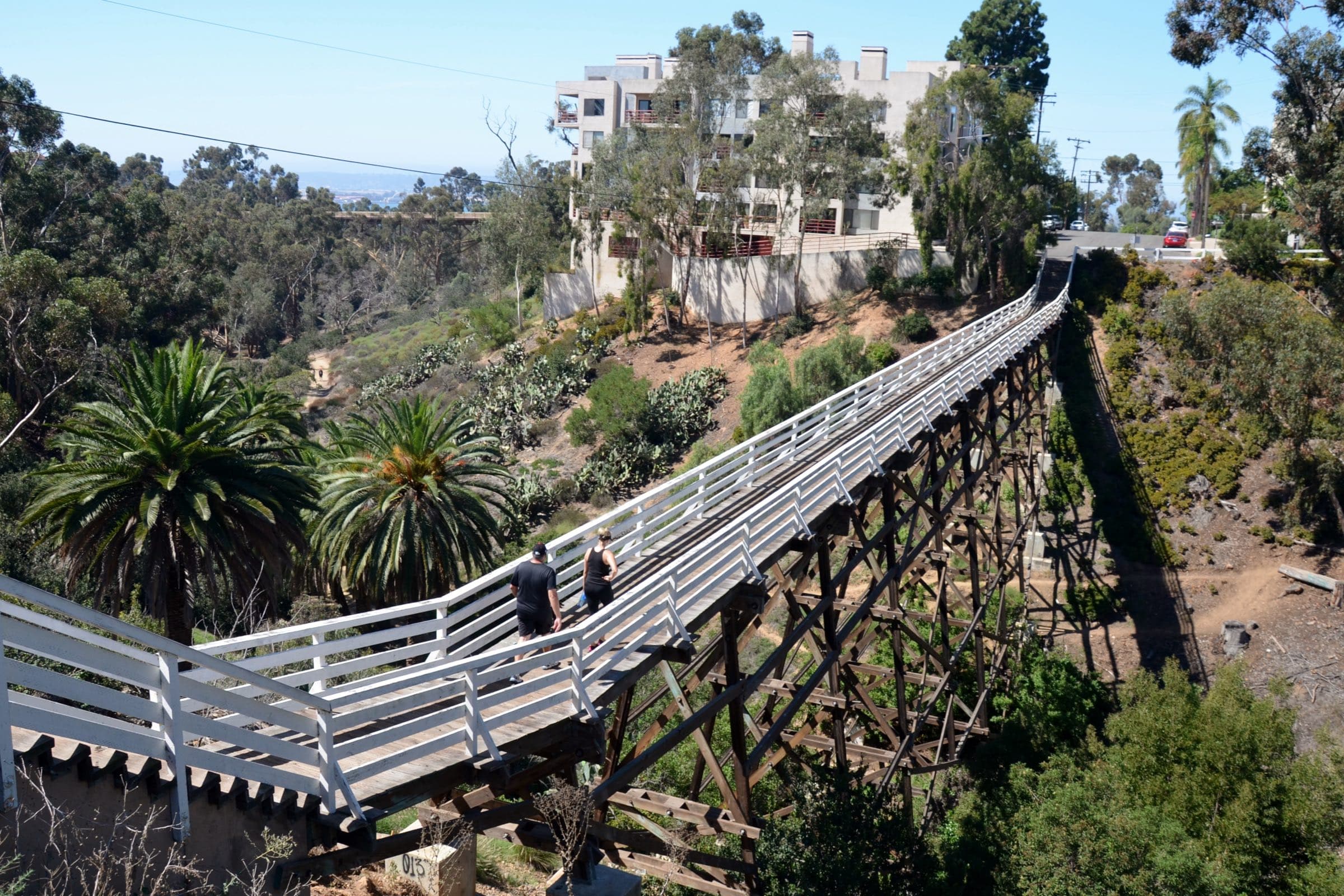
Bankers Hill
Garage, step and office floors for Bankers Hill and Park West, from historic homes along Maple Canyon to the towers and offices on Fifth Avenue.
Epoxy floors in Bankers Hill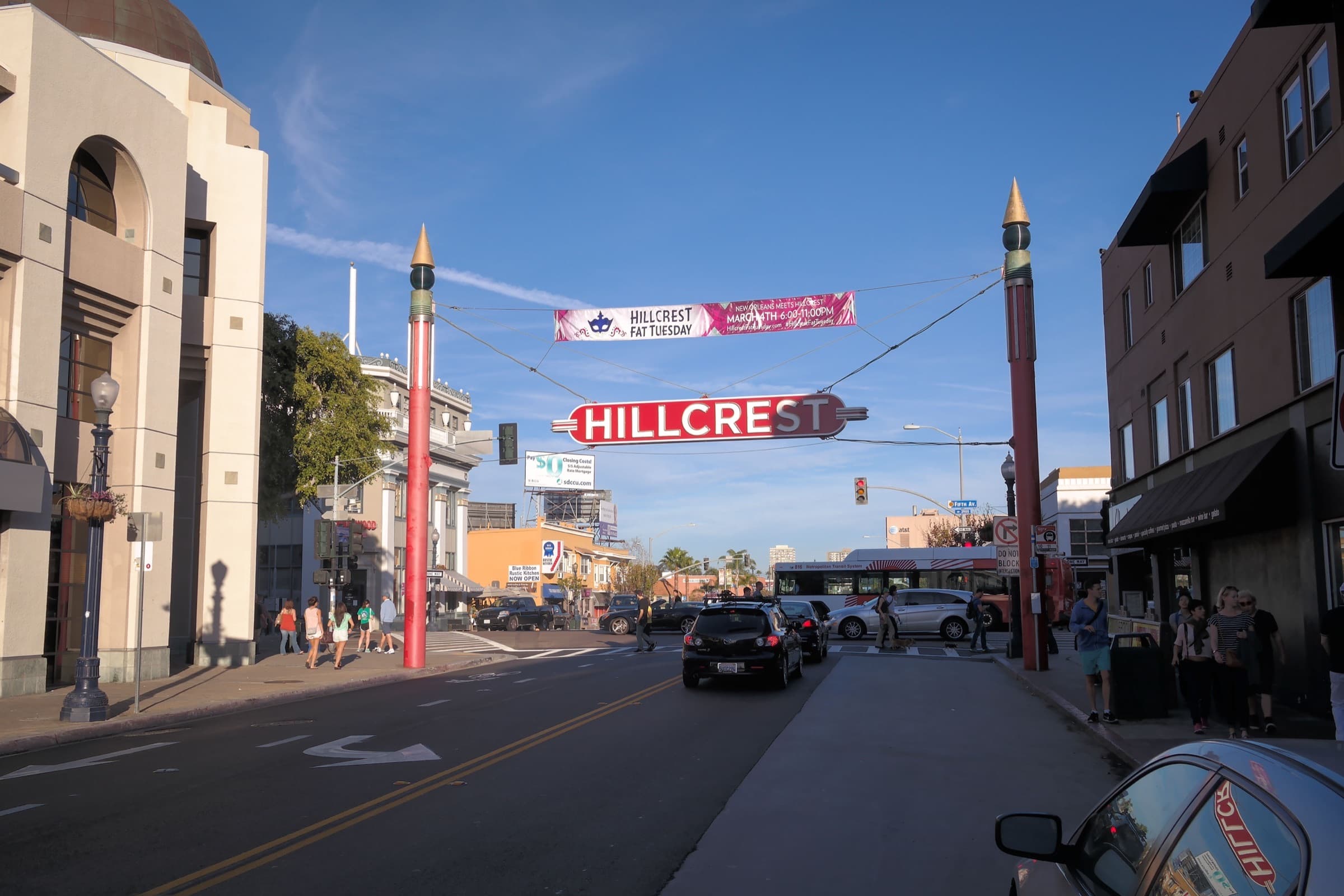
Hillcrest
Garage, condo parking and storage floors in Hillcrest, plus restaurant, salon, retail and medical office floors along University Avenue, Fifth Avenue and Washington Street.
Epoxy floors in Hillcrest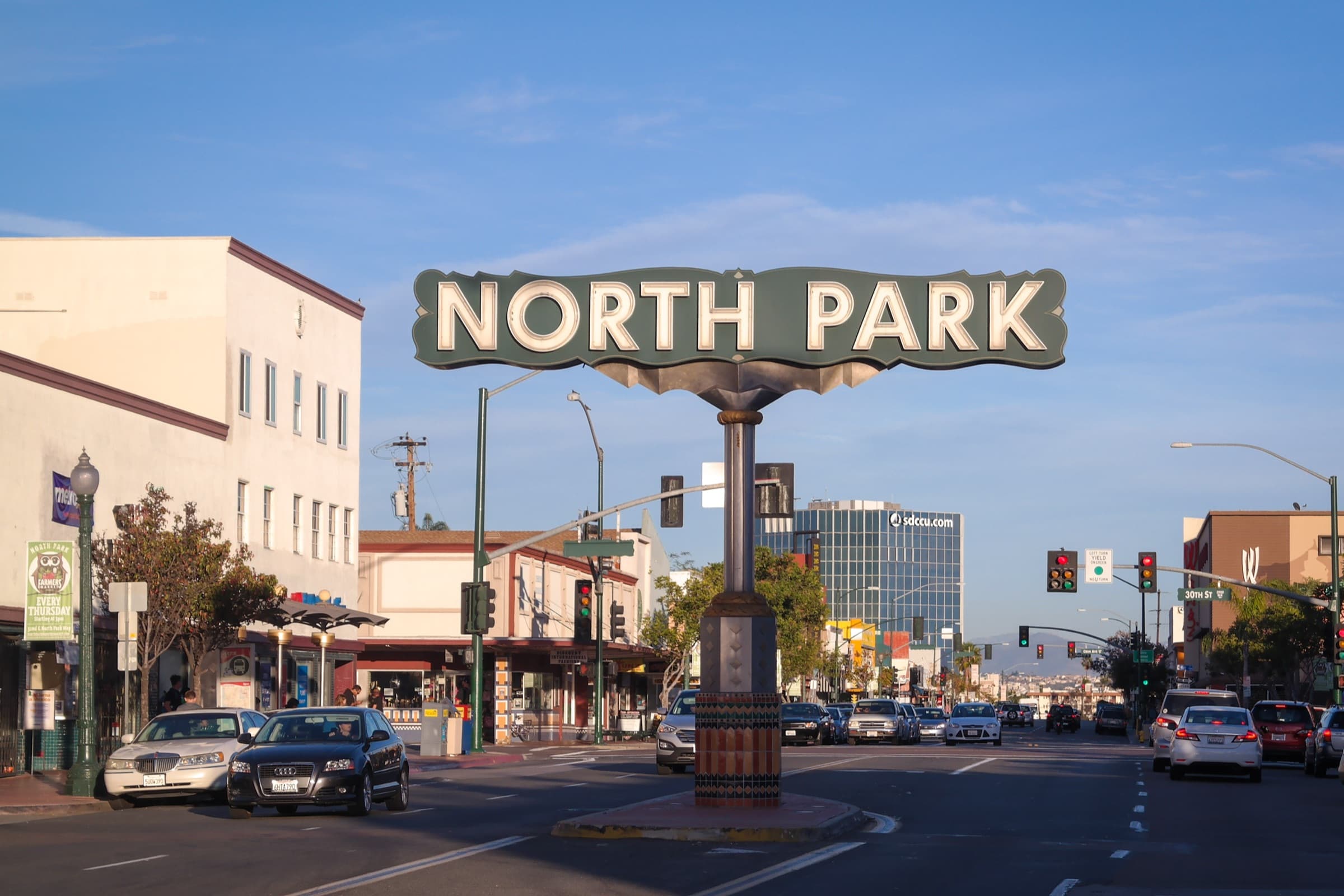
North Park
Floors for North Park bungalow garages, alley workshops and ADUs, plus brewery, kitchen and retail floors along 30th Street and University Avenue.
Epoxy floors in North Park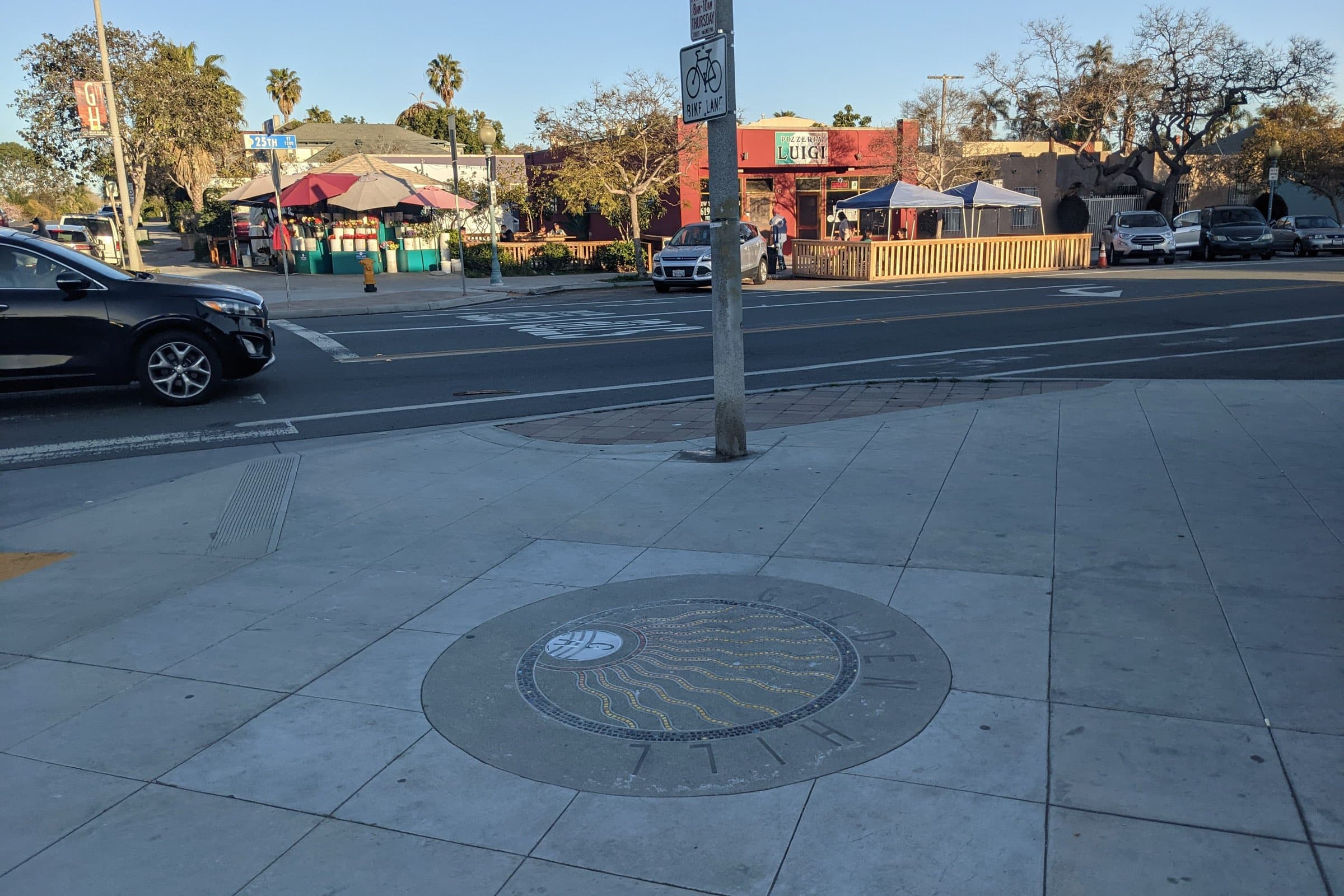
Golden Hill
Garage, porch and walkway coatings for Golden Hill and South Park, from Victorian homes near Golden Hill Park to alley garages and canyon-edge lots.
Epoxy floors in Golden Hill
Get a driveway staining estimate
Tell us about the space. We will inspect the slab, test for moisture, and recommend the right system with a written estimate.